News
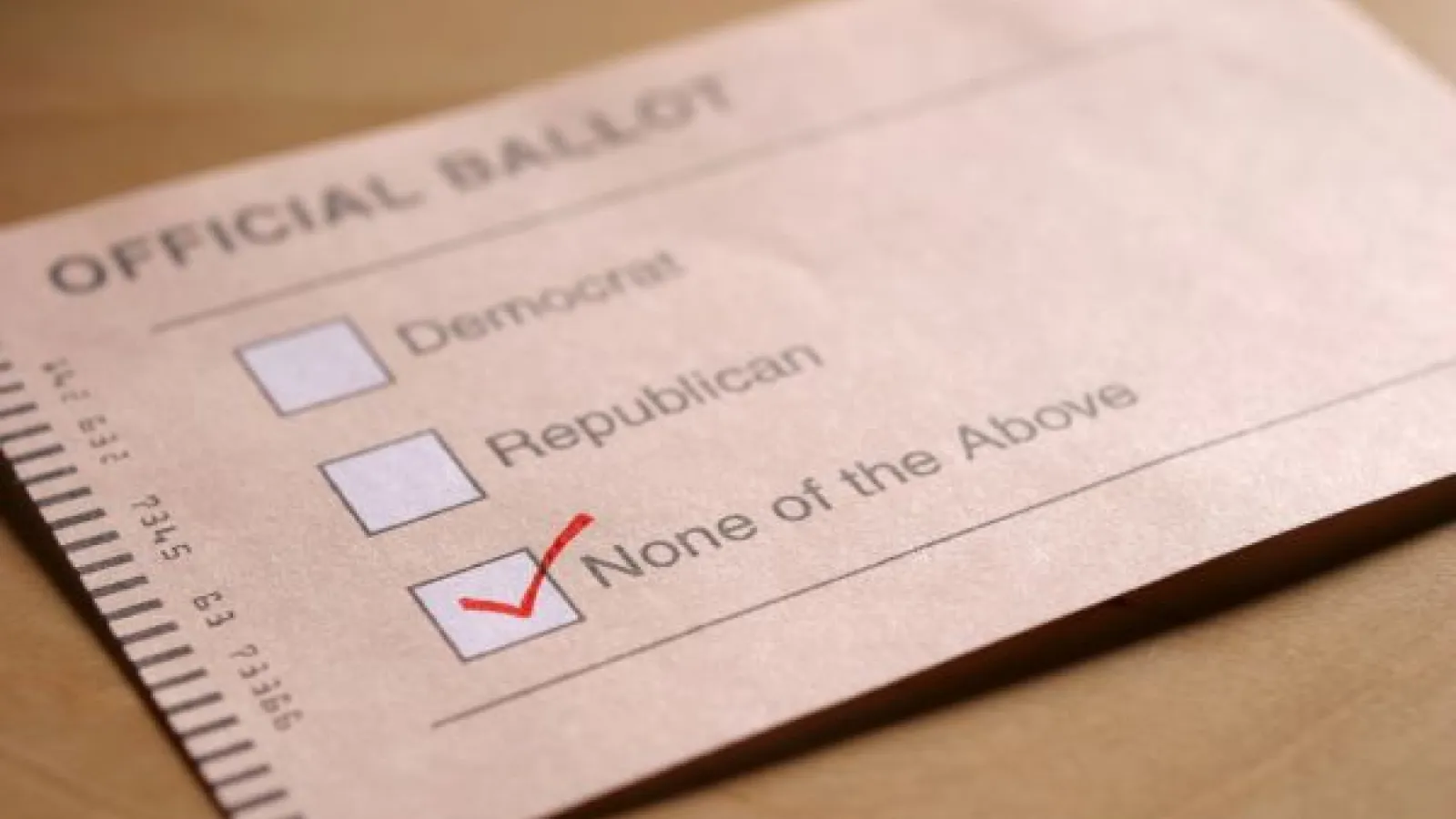
Independents are most likely to oppose to a party or candidate rather than support its alternate - new research from Joseph Siev has found. Read more here.

Up to half of consumers may decide to pour perfectly good milk down the drain based solely on their glance at the date label on the carton – new research from Brian Roe has found. Read more here.…

Decision-making capabilities of college students – including some graduating this spring – were likely negatively affected by the COVID-19 pandemic – new research from Melissa Buelow has found…

Partisan conflict can be largely explained as differing views on how to amass and distribute resources – new research from Roy Baumeister and Brad Bushman has found. Read more here.

While low-credibilty publishers and high-credibility publishers had bursts of coverage at the same time, they often covered different topics – new research from Kelly Garrett has found. Read more…
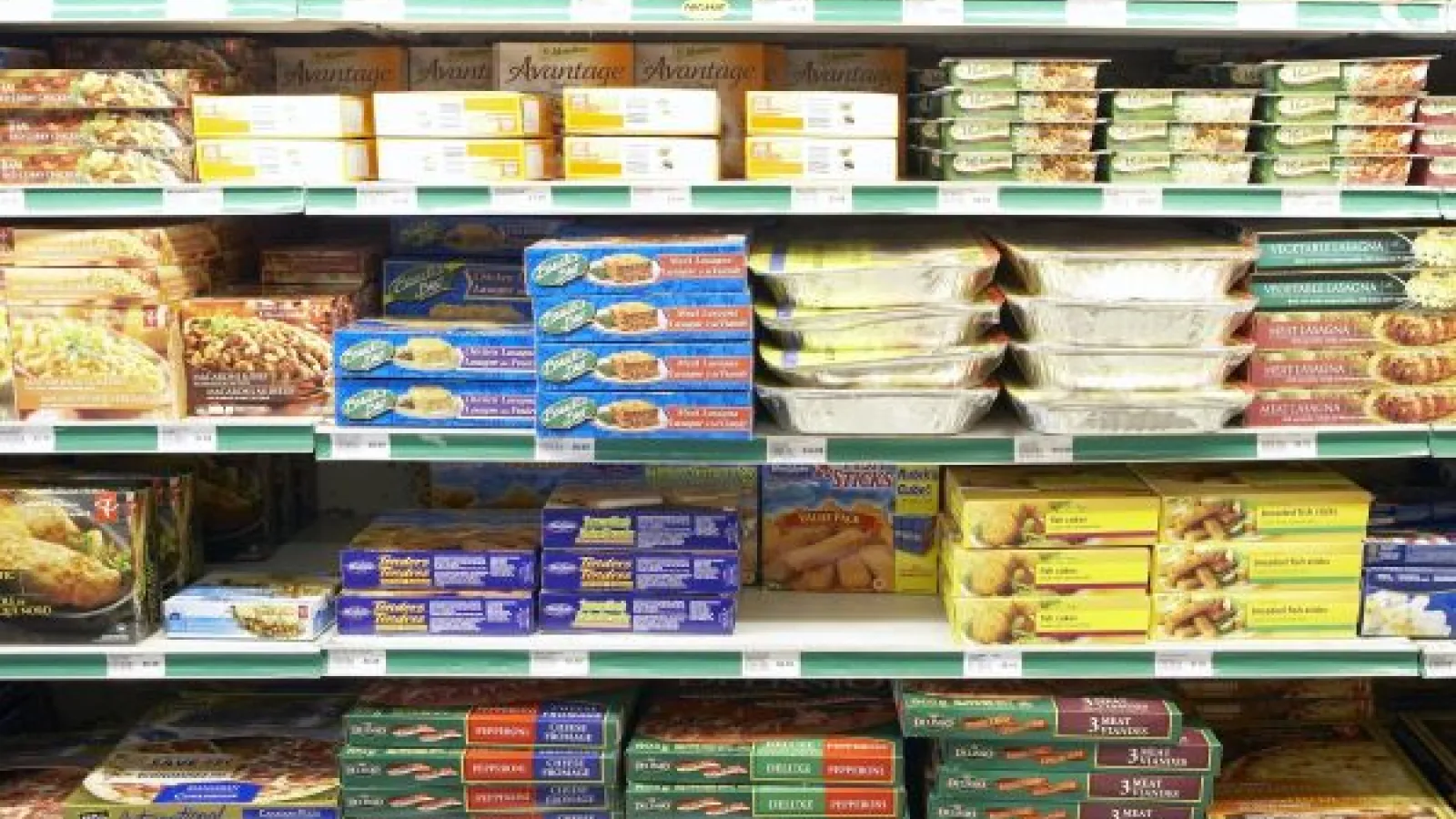
Being able to take a quick walk to a nearby food retail store may be a significant factor in long-term weight loss after bariatric surgery – new research from Keeley Pratt has found. Read more…
While marketers seem to love creating new brand names by deliberately misspelling real words, consumers almost never like this tactic – new research from Rebecca Reczek has found. Read more here.…

Children as young as 4 years old show evidence of a network in the brain found in adults that tackles difficult cognitive problems – new research from Zeynep Saygin has found. Read more here.

Electric vehicle test drives have the potential to change how people think of themselves – and that was linked to increased intention to buy – new research from Nicole Sintov has found. Read more…
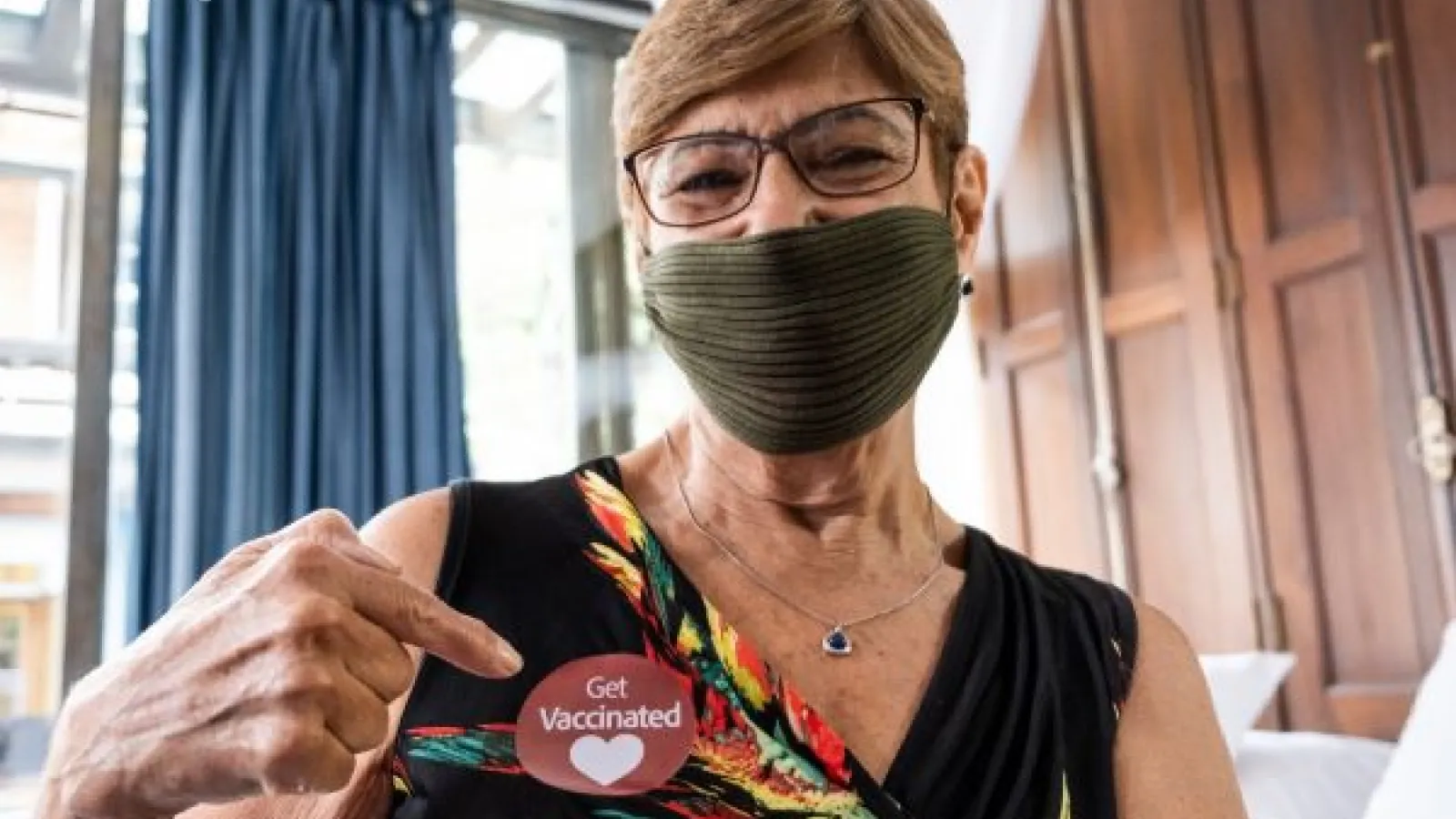
People who said they were more confident in their beliefs that vaccines and medicines were safe and effective were more likely to want to actively support these views, new research from Richard…
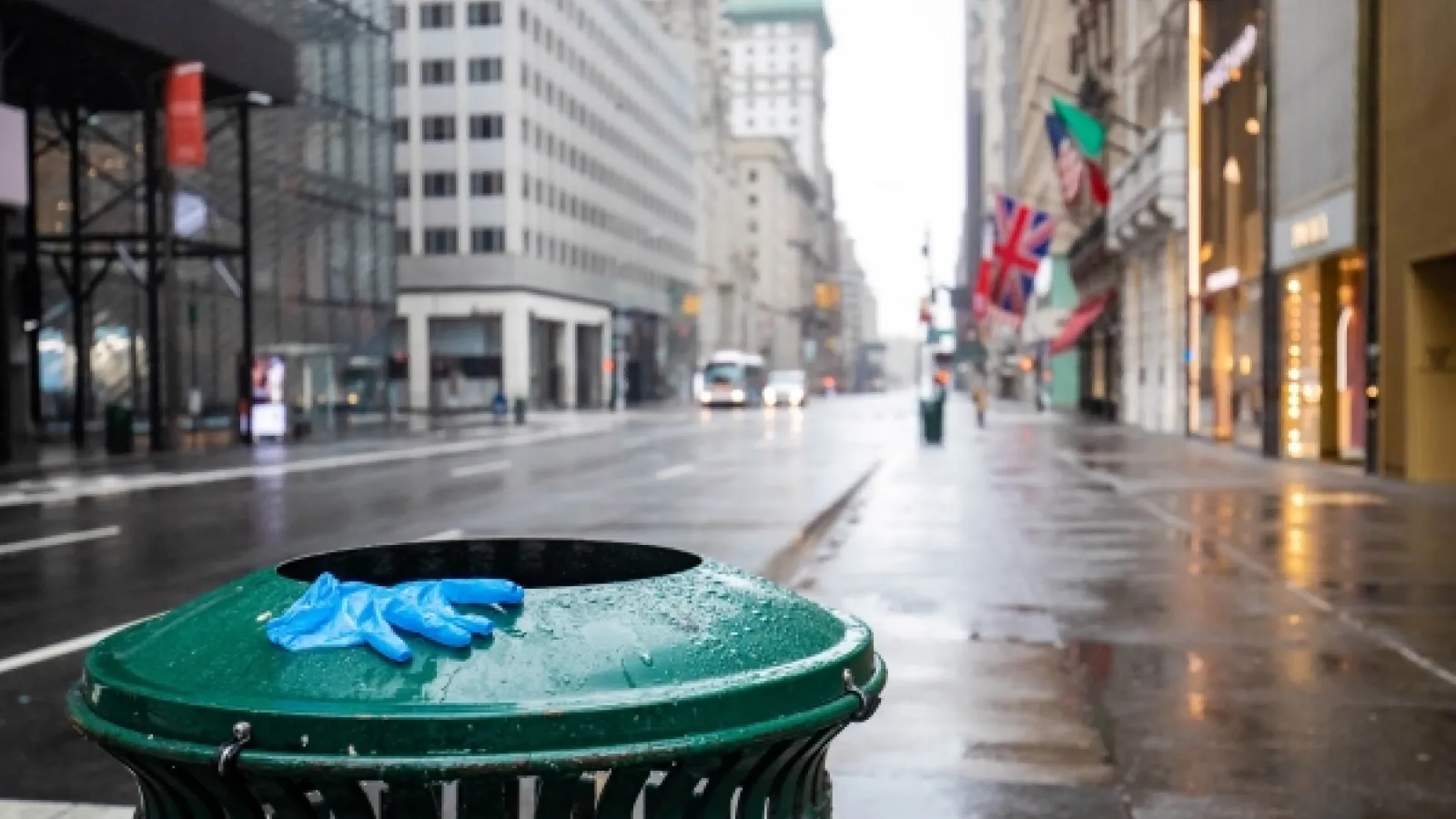
Belief that the COVID-19 pandemic was a hoax – that its severity was exaggerated or that the virus was deliberately released for sinister reasons – functions as a "gateway" to believing in…
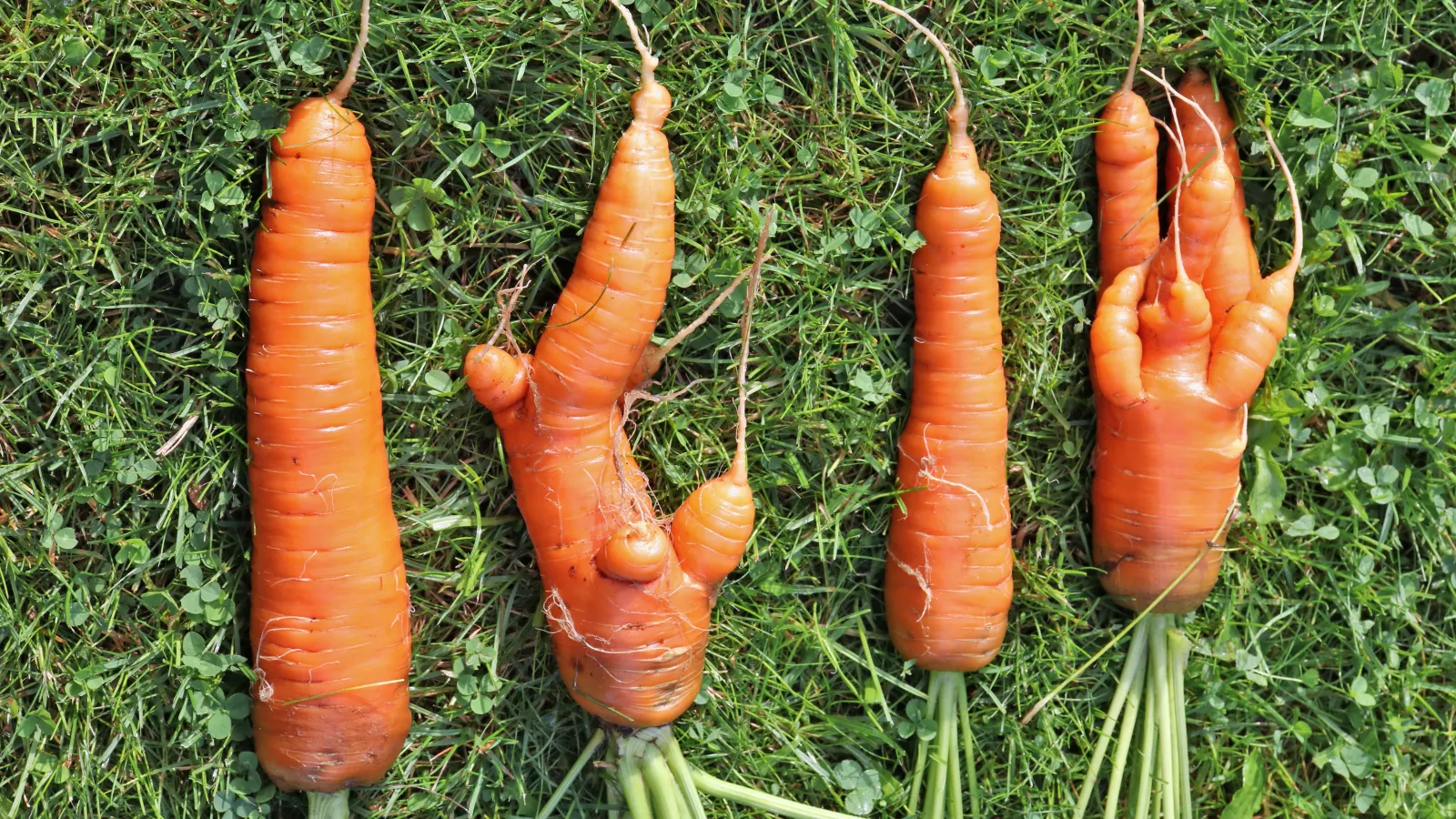
New research suggests that explaining the value of misshapen vegetables – that they are as healthful as their picture-perfect counterparts and buying them helps reduce food waste – could help…

DSC researchers Junha Kim, Selin Malkoc, and Joseph Goodman find that ending prices with “.99” can backfire on sellers. It makes consumers less likely to choose pricey upgrades. Their research was…

DSC researcher Grant E. Donnelly and colleagues find that men and women treat deadlines in the workplace differently. Women are less likely to ask for extensions. This hurts the women and the…
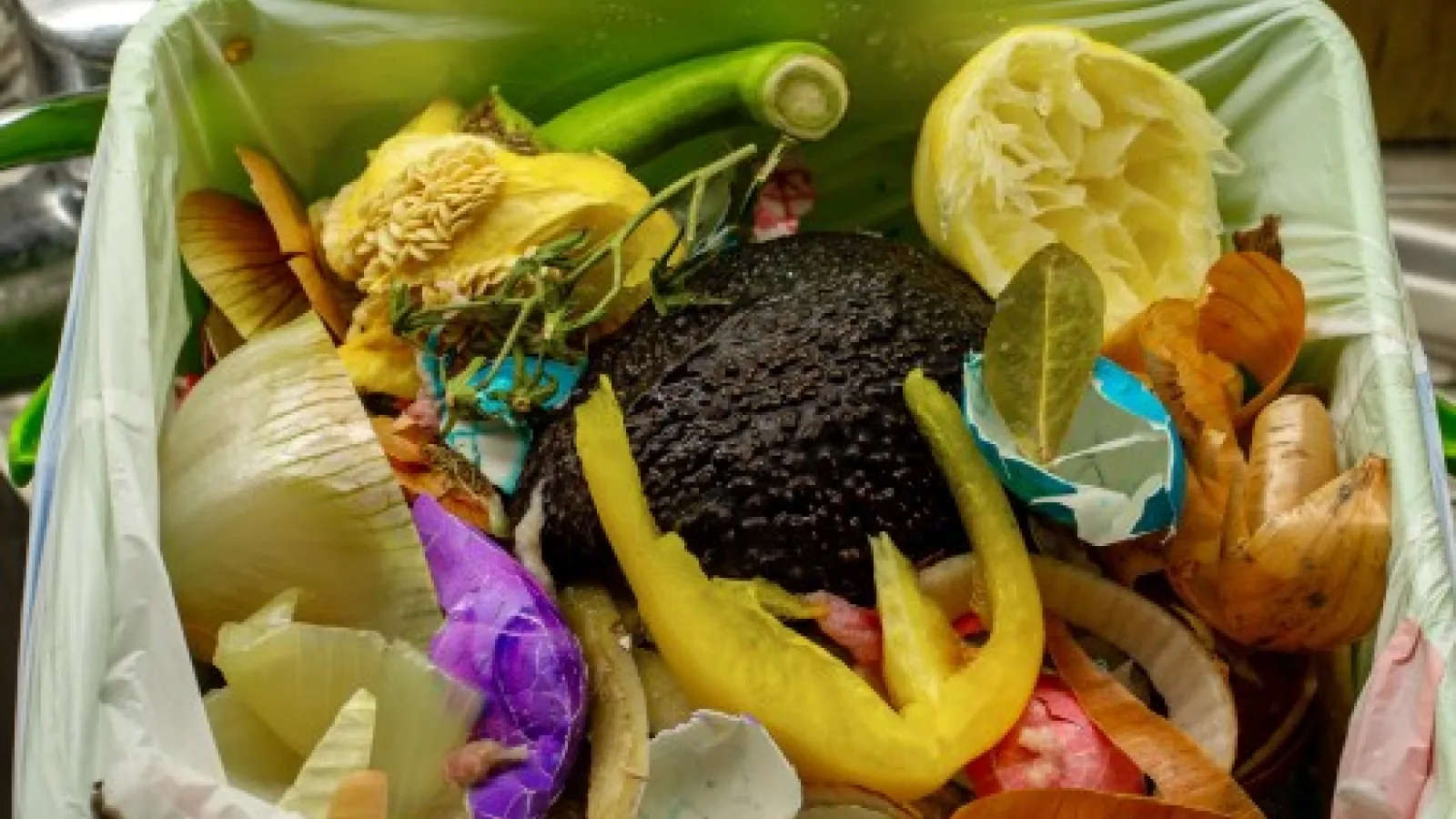
A $15 million grant from the National Science Foundation (NSF) will be used to establish the first national academic research network on wasted food in the United States. Brian Roe, a professor of…

DSC researcher Ian Krajbich and colleague Cary Frydman find that when people see others in their group hesitating before making a choice, they are about twice as likely to break from the group and…

The Russell Sage Foundation is pleased to announce a new core program, Behavioral Science and Decision Making in Context, which merges its long-standing program on Behavioral Economics and its…

This first of its kind “bootcamp” is intended to introduce students and scholars at all stages, from across the social sciences, to the potential utility of quantum theory for their work.